What does it mean to be a Father?

Being a dad means stepping into a lifelong commitment of unconditional love, patience, and presence. It goes beyond just biology; it is an active, daily choice to put someone else’s needs first, offering a safe space while guiding your children into adulthood.
Being a dad isn’t about being flawless. It means being fully engaged in both the mundane and the magical moments—from changing diapers and helping with homework to just sitting on the floor and playing. It’s the realization that time is the most valuable thing you can give.
A dad serves as both a protector and a moral compass. It involves setting healthy boundaries, teaching right from wrong, and modeling resilience when times get tough. It means providing the steady, grounding presence your child needs to navigate life’s challenges.
Becoming a dad means no longer being the most important person in your own life. Your priorities, time, and focus pivot toward wanting your children to have every opportunity and advantage to thrive. It is the ultimate sacrifice met with the ultimate reward.
Fatherhood is a dynamic journey. As your kids grow from toddlers to teenagers and adults, what they need from you changes. It means being adaptable, continually learning alongside them, and correcting your mistakes as you go.
Ultimately, being a dad is an everyday duty of patience, love, and joy that changes you in ways you can’t fully understand until you experience it.
Eye Disease Prevention
An estimated 90% of vision loss and blindness can be prevented or treated with timely diagnosis and care. 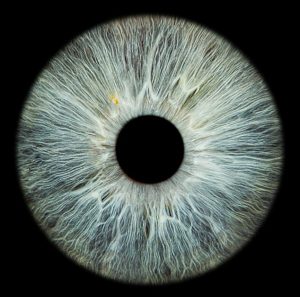 Understanding common vision problems and taking proactive steps to protect your eyes can help preserve your sight as you age.
Some of the most frequent vision issues include:
• Cataracts: Clouding of the eye’s lens that causes blurry vision, glare, and difficulty seeing at night.
• Glaucoma: Increased pressure in the eye that damages the optic nerve and leads to gradual vision loss, often without noticeable symptoms.
• Age-related macular degeneration (AMD): Deterioration of the center part of the retina, causing loss of central vision and difficulties with reading and recognizing faces.
• Diabetic retinopathy: Damage to the blood vessels in the retina due to poorly controlled diabetes, often
resulting in vision impairment or blindness.
• Hypertensive retinopathy: Damage to the retina due to high blood pressure, which can lead to blurry vision and permanent vision loss if left unaddressed.
• Dry eye syndrome: Insufficient tear production or poor tear quality that causes irritation, redness, and blurred vision.
These conditions are closely tied to aging, genetics, lifestyle choices, environmental exposures, and underlying health conditions like diabetes and hypertension. Treatment options vary, depending on the disease and stage, but typically include lifestyle changes, medications, or laser therapy. In some cases, however, surgery may be needed.
Preventing common eye diseases starts with getting comprehensive eye exams as recommended by your
healthcare provider, especially after age 40 when risks increase. These exams make it possible to detect vision concerns early, before symptoms affect daily life. Several healthy habits can also support eye health and reduce disease risk, including:
• Wearing UV-protective sunglasses to shield your eyes from the sun’s harmful rays
• Managing chronic conditions like diabetes and high blood pressure
• Avoiding smoking, which increases the risk of macular degeneration and cataracts
• Reducing screen time and taking regular breaks from digital screens to reduce eye strain and dryness
Nutrition plays a vital role in vision as well. Studies show that diets rich in antioxidants and omega-3 fatty acids can slow the progression of certain eye diseases and protect retinal cells from damage. Incorporating phytonutrients, such as vitamins C and E, zinc, lutein, zeaxanthin, and omega-3 fatty acids, into your diet can also support good vision.
Early detection is your best defense against vision loss. By staying current with annual eye exams, understanding the signs of common eye conditions, and making healthy lifestyle choices, you can protect your vision.
5 Ways to Prevent Eye Straining
Eye strain affects many people, especially those who spend long hours in front of digital devices like computers, tablets, or smartphones. Eye strain can occur when your eyes become fatigued from intense or prolonged use of digital screens or improper lighting.
Other causes of eye strain include:
• Incorrect screen brightness or contrast settings
• Viewing screens at an uncomfortable distance or angle
• Uncorrected vision problems, such as needing glasses or updated prescriptions
 Certain tasks increase the likelihood of eye strain, especially those that involve long periods of reading,
typing, data entry, graphic design, or video conferencing. While blue light filtering lenses were once popular, there is little evidence to support their effectiveness.
To prevent and treat eye strain, try these strategies:
• Follow the 20-20-20 rule: Every 20 minutes, look at something 20 feet away for at least 20 seconds to give your eyes a break.
• Optimize Your Screen: Adjust your screen settings for comfortable brightness, contrast, and text size.
• Adjust Your Screen: Position your screen about an arm’s length away and slightly below eye level.
• Reduce Reflections: Use anti-glare screens or adjust lighting to reduce reflections and glare.
• Stay Hydrated: Keep your eyes hydrated by blinking frequently or using lubricating eye drops.
• Sit Up Straight: Maintain good posture with supportive seating and ergonomic workstations.
• Stay Up to Date: Schedule regular comprehensive eye exams to make sure your vision prescription is correct.
Adjusting your workspace to ensure proper ergonomics and lighting can reduce eye strain symptoms. At home, be mindful of how much time you spend on digital devices, especially during leisure hours, and encourage family members to do the same.
Recognizing the symptoms of eye strain can help you seek medical guidance right away. Watch for signs such as dry or watery eyes, blurred or double vision, headaches, neck or shoulder pain, difficulty focusing, and sensitivity to light. Being mindful about your daily routines can help protect your eyes from strain and overuse.
Eye Exams Explained
Regular eye exams are essential for maintaining healthy vision, especially as you age. Even if you think your eyesight is perfect, many eye conditions develop slowly or are hardly noticeable. Early identification of vision issues through routine eye exams can prevent vision loss and eye disease.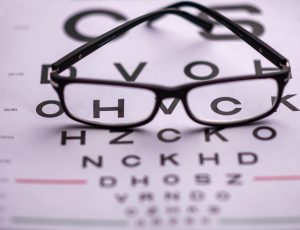
The following list highlights some of the most common types of eye exams:
• Regular Eye Exam: This comprehensive vision exam includes tests for visual acuity, eye pressure, and retinal health. Providers use charts to measure how clearly you see, a tonometer to measure intraocular pressure (the fluid pressure within your eye) and check for glaucoma, and a slit lamp to examine the front and back parts of your eyes. A 20/20 vision test result means you can see what the average individual can see on an eye chart standing 20 feet away.
• Dilated Eye Exam: Eye drops are used to enlarge your pupils, allowing your provider to see the retina and
optic nerve more clearly. This test can help detect diseases such as diabetic retinopathy and macular
degeneration. The drops may cause light sensitivity and blurry vision for a few hours afterward, so you should arrange for someone to drive you home afterward.
• Glaucoma Test: Sometimes nicknamed the “puff test” (tonometry), this test measures the pressure inside your eyes using a small puff of air. While startling, it is quick and pain-free. The normal range for a tonometry test is between 10 and 21 millimeters of mercury (mmHg).
• Retinal Imaging: This exam uses advanced cameras to take detailed pictures of your retina, optic nerve, and blood vessels. It helps identify problems that might not be visible during a standard exam. This test may not be covered by your insurance plan, so it is good to check your coverage before your visit.
For most adults, comprehensive eye exams are recommended every two years. However, if you have diabetes, high blood pressure, a family history of eye disease, wear corrective lenses, are over the age of 65, or have other vision-related conditions, annual exams may be more appropriate. If you are overdue for an eye exam, schedule an appointment as soon as possible. If you need to find a new eye care specialist, contact your vision insurance provider or health plan for a list of local providers in your area.

Carrot Cumin Soup
A root vegetable with origins in Asia, the carrot is rich in beta-carotene, vitamin A, minerals, and antioxidants. Carrots are one of the highest vegetable sources of vitamin A — two carrots yield roughly four times the recommended daily allowance.
Ingredients
• 2 tbsp olive oil
• 1 medium yellow onion chopped
• 2 cloves garlic minced
• 1 lb large carrots peeled and cut
• 4 cups vegetable or chicken broth
• 1 to 1½ teaspoons ground cumin
• 1 teaspoon ground coriander
• 1 to 1½ teaspoons salt
• ½ teaspoon black pepper
• 1 tablespoon lemon juice
• ½ cup plain yogurt
• 1 teaspoon cumin seeds (for garnish)
Instructions
1. In a heavy saucepan, heat the olive oil over medium-high heat and sauté the onion for 2 minutes, then add the garlic and sauté an additional minute. Add the carrots, broth, cumin, coriander, salt, and pepper. Bring to a boil. Reduce the heat, cover, and simmer until the carrots are tender, about 15 minutes.
2. Purée the soup with an immersion blender or, working in batches, purée in a blender or food processor until smooth, then return it to the saucepan. Whisk in the lemon juice and yogurt. Season to taste. Ladle into bowls and sprinkle with the cumin seeds.
Nutrition Facts (per serving)
Calories: 178
Protein: 4g
Fat: 4g
Fiber: 4g
Sodium: 1031mg