Exploring Workout Types
There are endless ways to move your body and improve your fitness. Understanding different types of exercises and workouts can help you choose the best ones for your lifestyle and goals.
Exercise generally falls into three main categories: cardiovascular, strength training, and flexibility. Each
type offers unique benefits but also has limitations, so incorporating a balance of several different exercises can help you optimize your physical wellbeing. Before making any changes to your exercise habits, it is important to discuss your health risks with your provider first.
Cardiovascular (Cardio) Workouts: These exercises elevate your heart rate, improving endurance and cardiovascular (heart) health. Benefits include stronger heart and lung function, improved body composition, and better mood due to the release of feel-good chemicals called endorphins. Be sure to start slow with low-impact exercises like walking or cycling and use caution with high-impact workouts, such as
running or calisthenics. Allow enough time for rest between bouts of activity to reduce the risk of joint strain or injury. A good rule of thumb is to allow at least one rest day before working the same muscle group.
Examples of cardiovascular exercises:
• Running and jogging
• Walking
• Cycling
• Swimming
• High-Intensity Interval Training (HIIT)
• Boot camps
• Group fitness classes (Zumba, spin, dance)
• Aerobics
Strength Training: This type of training focuses on building muscle, increasing bone density, and boosting
metabolism. Benefits include increased muscle mass and strength, improved posture, and improved functional fitness (everyday activities). Improper form or overtraining can lead to injuries, though, so use proper techniques and get professional guidance when needed.
Examples of strength training exercises:
• Weightlifting (free weights or machines)
• Circuit training (combining strength and cardio)
• Pilates (also improves core strength and flexibility)
• Bodyweight exercises (push-ups, squats, lunges)
Flexibility and Mobility Training: These activities emphasize stretching, balance, and mind-body connection to support wellbeing. Benefits include better range of motion, reduced muscle tension, and stress reduction. However, flexibility workouts alone may not offer enough cardiovascular or
muscle-strengthening benefits, so these exercises are best used alongside other types of workouts.
Examples of flexibility exercises:
• Yoga
• Tai Chi
• Pilates
• Lunges
• Shoulder rotations
• Foam rolling
Each type of exercise offers unique advantages, so the best workouts combine elements from all three. For
example, HIIT provides an efficient cardiovascular and strength workout in a short time, while Tai Chi offers gentle movements over a longer period of time.
Ultimately, the most important step is to find a workout type that you enjoy and can maintain consistently. When exercise is enjoyable, it feels more like a reward and less like a chore.
Make Your Workouts Work for You
Time, duration, and frequency matter when it comes to fitness. Balancing these three components can significantly impact your fitness results. When mapping out a workout plan, it is important to first understand your fitness goals. Whether you enjoy starting your day with movement or ending your day with a stress-releasing workout, knowing the science behind workout timing can help you make the most of your efforts.
The following tips can help you create more balance in your workouts:
• Time: Studies are mixed when it comes to ideal workout times. Some research suggests that exercising in
the late afternoon or early evening, when your body temperature is at its peak, may improve strength, power, and endurance. However, other studies show that morning workouts can enhance fat burning and support long-term consistency. If your goal is to build muscle, some evidence suggests that it may be beneficial to do strength training before cardio exercises. From a practical standpoint, the best time may be when it naturally fits into your schedule or daily routine.
• Duration: The length of your exercise sessions depends on your goals and fitness level. For general health,
the Centers for Disease Control and Prevention (CDC) recommends at least 150 minutes of moderate intensity aerobic activities like brisk walking, tennis, or water aerobics each week, which can be divided into sessions as short as 10 minutes. High-intensity interval training (HIIT) involves 20- to 30-minute workouts that can improve cardiovascular fitness and promote fat loss. For strength training, aim for 30- to 60-minute sessions, allowing time for proper warm-up, multiple exercises, and a cooldown period. For flexibility training, aim for about 60 seconds on each stretching exercise.
• Frequency: How often you exercise depends on your schedule, the type of activity, and your personal
health and fitness goals. For heart health and weight management, most guidelines recommend at least 3 to 5 days per week of aerobic exercise and 2 to 3 days of strength training activities on non-consecutive days to allow muscles to recover and grow. However, flexibility and mind-body practices can be done daily or several times weekly to maintain mobility and reduce stress.
Balancing these three elements—time, duration, and frequency—can help you build a sustainable routine that fits your lifestyle. It is important to listen to your body, adapt your routines to your energy levels, and remember that consistency is where you will find your greatest results. Before designing a workout routine, consider your specific fitness goals and adjust your timing accordingly. As your priorities and goals change, your workout routine will likely require a change as well.
Fit Tech Updates
Fitness technology (fit tech) is changing the health and fitness industry, making it easier than ever to track your progress and maintain motivation to be active.
With new wearable devices and the integration of artificial intelligence (AI), technology offers personalized insights, real-time feedback, and tailored health guidance. Understanding the latest fitness technology can help you choose the right tools that align with your personal goals and daily life. It is important to remember that fit tech is not intended to replace medical advice or treatment, but it can help guide discussions with your healthcare provider.
Fitness Tools:
• Continuous Glucose Monitors (CGMs): Previously limited only to people with diabetes, CGMs are now available over the counter and provide real-time information on blood glucose levels. By understanding how your body responds to food, exercise, and stress, you can make better choices to optimize your metabolic health.
• Smart Watches and Fitness Trackers: Devices such as the Apple Watch, Fitbit, and Garmin watches can track your heart rate, steps, sleep patterns, and estimated calories burned. Many models also integrate GPS tracking and features that detect irregular heart rhythms.
• Unique Technologies: New devices like smart clothing embedded with sensors can monitor muscle activity, posture, and hydration levels during workouts. Virtual reality (VR) fitness combines entertainment with exercise, making workouts more engaging and fun.
• AI Personal Trainers: Newer apps use artificial intelligence to create customized workout plans, help you adjust intensity based on past performance, and provide virtual coaching. Some platforms can even analyze your movements through your smartphone camera.
Fitness Apps:
Apps are by far the most popular fit tech options. Many are free and can help with maintaining motivation and accountability to reach your fitness goals. Most apps offer a short-term trial or free version, but many also offer premium paid versions. Here are some of the most popular fitness apps:
Strava
• Popular among runners and cyclists
• Route tracking via GPS, performance analytics, and social sharing
• Hosts challenges to increase motivation
Fitbod
• Personalized strength training plans with detailed exercise instructions
• AI-driven adjustments based on your progress
Seven
• 7-minute, high-intensity bodyweight workouts
• Science-based routines
Centr by Chris Hemsworth
• Holistic wellness app with tailored workouts, meal plans, mindfulness exercises based on your fitness level and goals
• Mix of HIIT, strength training, yoga, and meditation
Zwift
• Virtual cycling and running platform that combines gaming with fitness
• Interactive courses and multiplayer features
• Compatible with smart trainers and treadmills
Aaptiv
• Audio-based workouts led by certified trainers
• Wide range of classes including running, strength, yoga, and meditation
• Personalized training programs with progress tracking
The integration of AI across these technologies is making health data more accessible, personalized, and actionable. As technology continues to evolve, you can expect more advanced features like biometric sensors, enhanced AI coaching, and greater compatibility between devices. Fitness technology can help you better understand your body and make smarter decisions about your health.
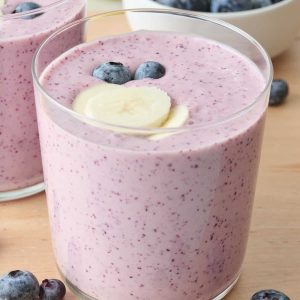
Blueberry Protein Smoothie
Ingredients
• ¾ cup milk of choice or water (we use unsweetened plain almond milk)
• 1 scoop (30g) Puori PW1 Bourbon Vanilla or Dark Chocolate Whey Protein
• ¾ cup frozen blueberries or mixed berries
• ¼ cup Greek yogurt, flavored or non-flavored (may substitute banana)
Instructions
1. In a blender, combine milk or water, protein powder, frozen berries, yogurt, and any additional add-in’s you would like.
2. Blend until smooth. Add additional milk or water as needed to achieve desired consistency.
3. Transfer to a glass and enjoy.